
Living With Diabetes: How Your GP Supports Long-Term Management
GPs support diabetes management through regular reviews, typically every three to six months, that include HbA1c testing along with blood pressure, cholesterol, kidney, eye and foot checks. They also adjust medication as needed and can refer patients to a dietitian, diabetes educator or podiatrist, often through a Chronic Disease Management Plan.
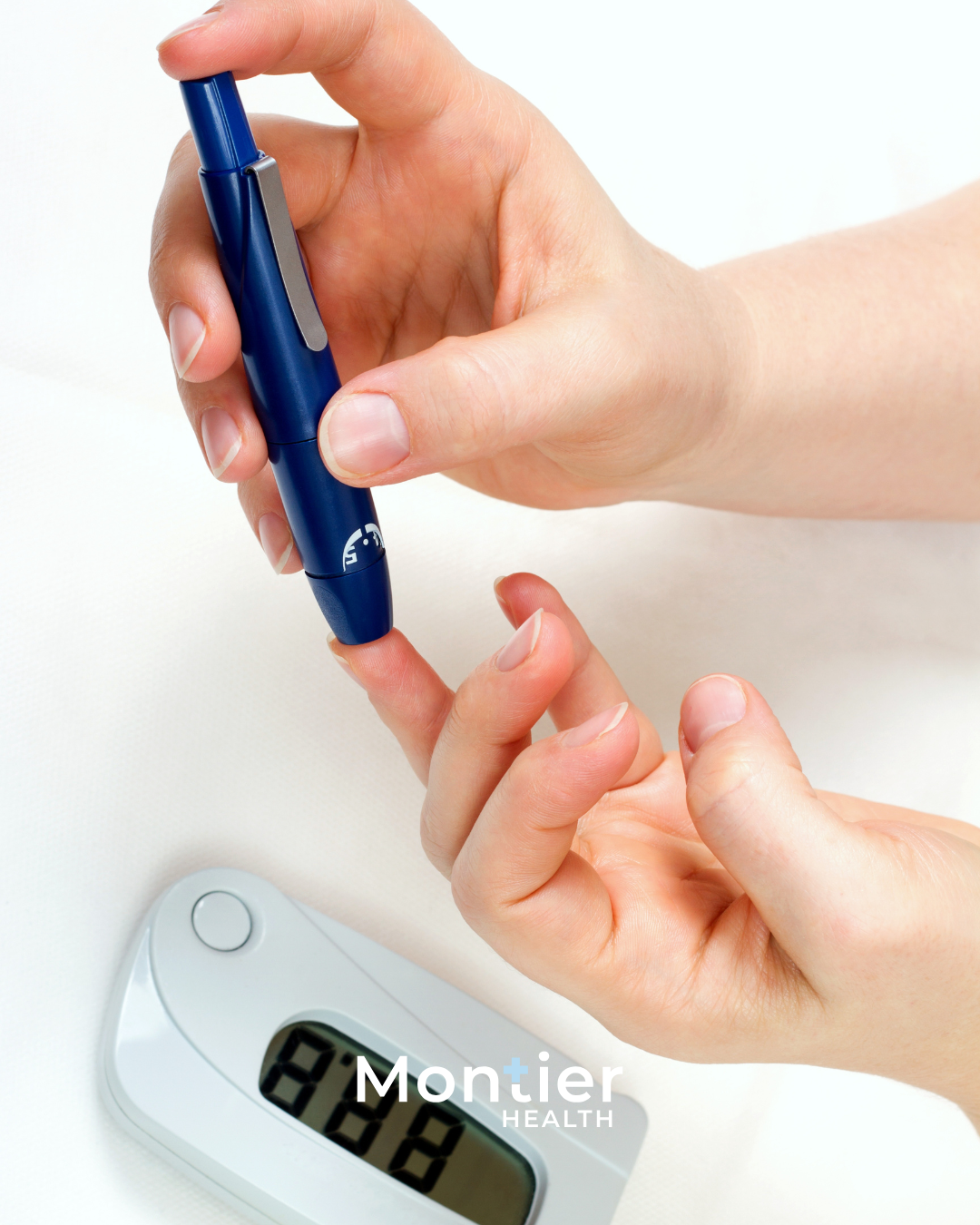
Diabetes management isn't a single appointment: it's an ongoing relationship with your GP, built around regular checks, adjustments and support as your needs change over time.
The GP's role in diabetes care
Your GP acts as the coordinator of your diabetes care, monitoring how well your condition is controlled, adjusting treatment as needed, and connecting you with other health professionals when more specific support is useful.
Regular checks and tests
HbA1c blood test, showing average blood glucose control over the past two to three months
Blood pressure and cholesterol checks
Kidney function tests
Eye checks, to monitor for changes related to diabetes
Foot checks, to monitor circulation and nerve sensation
Medication review and adjustment
Diabetes medication needs often change over time, whether due to lifestyle changes, other health conditions, or how well your current treatment is working. Regular GP review means adjustments can happen promptly, rather than waiting for a problem to develop.
Working with allied health
Many people with diabetes benefit from support beyond the GP appointment — a dietitian for meal planning, a diabetes educator for day-to-day management strategies, or a podiatrist for foot care. A Chronic Disease Management Plan can make these visits more affordable.
Lifestyle support
Diet, physical activity, sleep and stress all play a role in blood glucose control. Your GP can help set realistic, personalised goals in these areas, rather than a one-size-fits-all approach.
Diabetes management plans
Most people with diabetes are eligible for a Chronic Disease Management Plan, which coordinates your care and unlocks subsidised access to allied health support alongside your regular GP visits.
Frequently Asked Questions
-
This varies by individual, but a review every three to six months is common, more often if your condition or medication is changing.
-
The main test is HbA1c, alongside regular checks of blood pressure, cholesterol, kidney function, eyes and feet.
-
Yes. Diabetes commonly qualifies for a Chronic Disease Management Plan, which can include a Medicare-subsidised referral to a dietitian.
Book your appointment today
Find the clinic closest to you in QLD and VIC
