
A skin check is a quick, non-invasive visual examination — around 15 to 20 minutes — where a GP looks over your skin for new or changing spots using the ABCDE rule (asymmetry, border, colour, diameter, evolving). Most adults should book one every one to two years, more often with fair skin, high sun exposure, or a personal or family history of skin cancer.
Australia has one of the highest rates of skin cancer in the world, which makes a skin check one of the more straightforward, high-value appointments you can book. Most checks are quick, painless, and simply a matter of having a trained eye look over what's already there.
Why skin checks matter in Australia
High UV exposure means most Australians accumulate significant sun damage over a lifetime, often without realising it. Early detection makes a real difference to outcomes, particularly for melanoma, which is far more treatable when caught early.
Who is at higher risk?
Fair skin, freckles, or a tendency to burn rather than tan
A personal or family history of skin cancer
A history of sunburn, particularly in childhood
Large numbers of moles, or moles that look unusual
Outdoor work or significant lifetime sun exposure
What happens during a skin check?
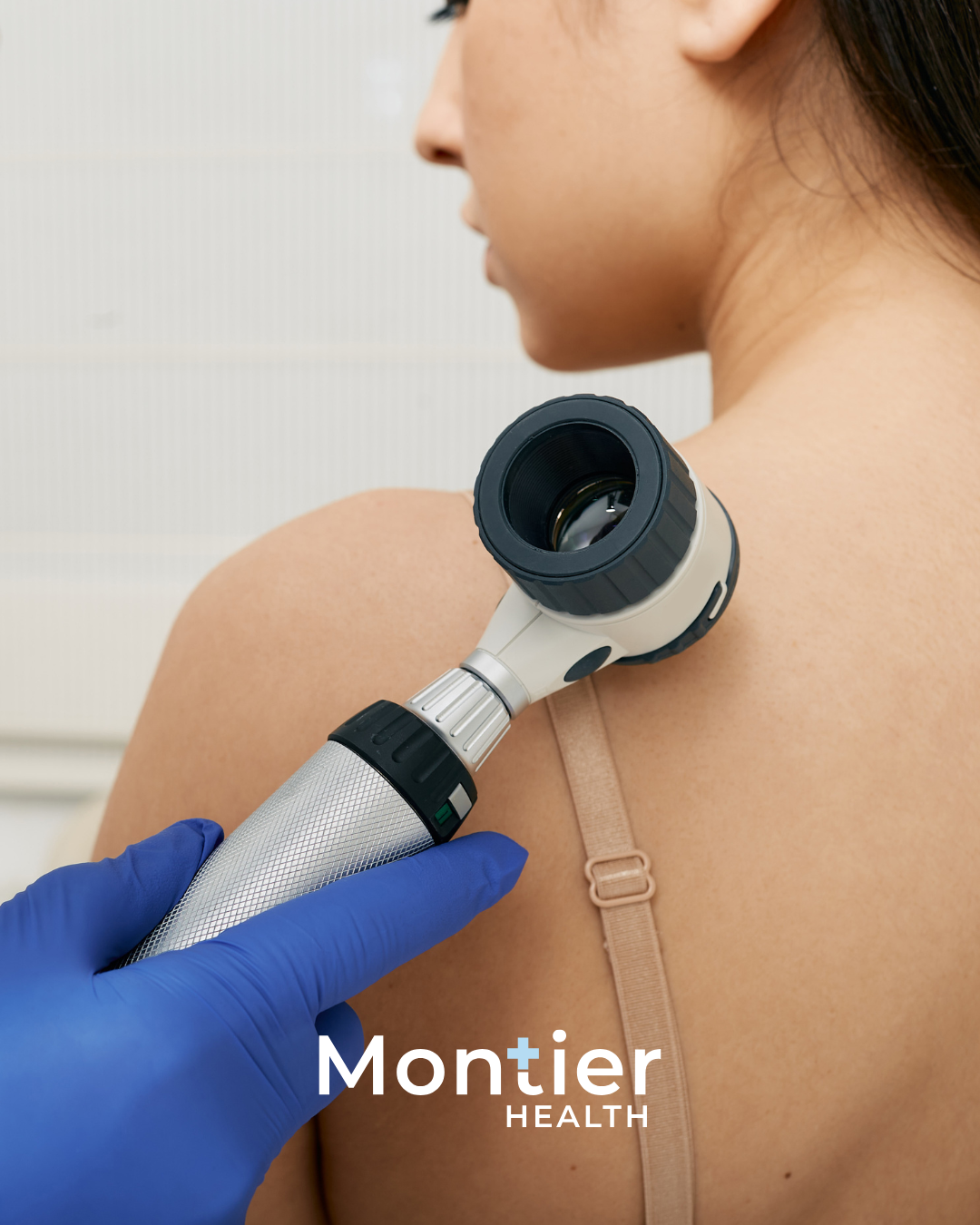
Your GP will visually examine your skin from head to toe, sometimes using a handheld magnifying tool called a dermatoscope to look more closely at specific spots. It's a non-invasive process, and you can ask for a chaperone or discuss any particular areas of concern beforehand.
What is the ABCDE rule for moles?
Asymmetry — one half doesn't match the other
Border — edges are irregular or blurred
Colour — uneven shading or multiple colours
Diameter — larger than about 6mm
Evolving — any change in size, shape or colour over time
How often should you have a skin check?
As a general guide, every one to two years suits most adults, moving to annually for anyone with higher risk factors. If you notice a new or changing spot in between checks, it's worth booking sooner rather than waiting.
What happens if something suspicious is found?
Not every flagged spot turns out to be a problem. If something looks worth a closer look, your GP may take a small sample (a biopsy) or arrange further review, and will talk you through next steps and timeframes clearly.
Frequently Asked Questions
-
A full skin check usually takes around 15 to 20 minutes, depending on how much of your skin needs closer review.
-
GPs are trained to perform skin checks and can refer you on for further investigation or treatment if needed — no referral is required to book the initial check.
-
Yes. Many skin cancers are found on skin that looked unremarkable beforehand, which is why a full check rather than a self-assessment alone is recommended.
Book your appointment today
Find the clinic closest to you in QLD and VIC
